
News · SEP 10, 2024
The Evolution of Neurofunk: From Early Drum and Bass to Modern Soundscapes
In brief
Neurofunk, a subgenre of drum and bass, has transformed the electronic music scene with its intricate sound design, dark atmospheres, and futuristic elements. From its early roots…
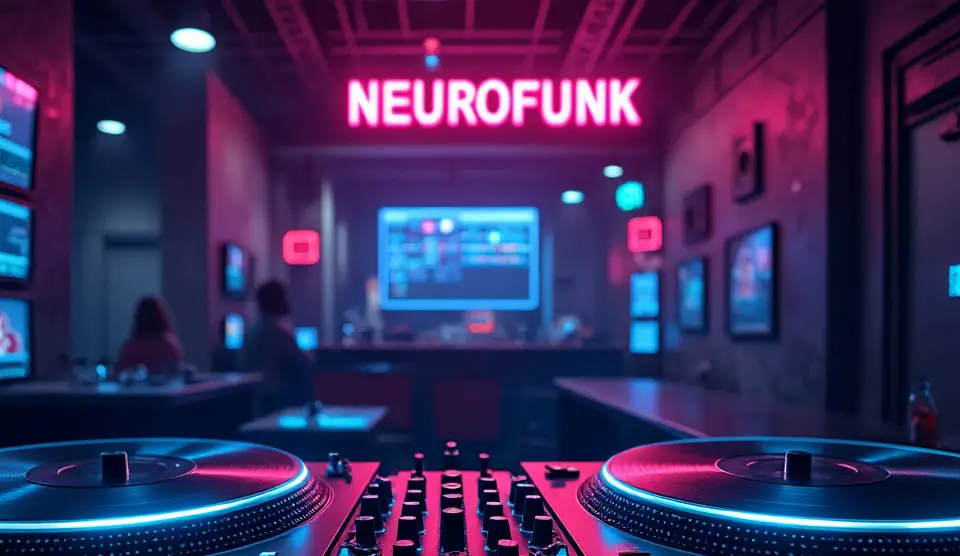
Neurofunk, a subgenre of drum and bass, has transformed the electronic music scene with its intricate sound design, dark atmospheres, and futuristic elements. From its early roots in the UK rave scene to becoming one of the most technically advanced and genre-defining sounds in electronic music, neurofunk has an enduring legacy. In this article, we will explore the history, evolution, and the pivotal role neurofunk plays in shaping modern soundscapes.
The Beginnings: Drum and Bass in the Early 1990s
The Rise of Drum and Bass
Drum and bass, often abbreviated as DnB, originated in the early 1990s in the UK as a response to the exploding rave culture and jungle music. Emerging from breakbeat hardcore, drum and bass became known for its rapid tempos (typically around 160-180 BPM), complex rhythms, and deep basslines. Early pioneers such as Goldie, LTJ Bukem, and Grooverider laid the foundation for what would soon become a global phenomenon.
Drum and bass quickly began to branch out into different subgenres, with jungle becoming one of its earliest and most recognizable forms, incorporating reggae and dub influences. As drum and bass diversified, it set the stage for more experimental subgenres to emerge, one of which was neurofunk.
The Emergence of Techstep
Before neurofunk, there was techstep, a darker, grittier offshoot of drum and bass that emerged in the mid-1990s. Techstep was known for its stripped-back, mechanical beats and industrial sounds. It focused on technicality and minimalism, stripping away the reggae and breakbeat influences of jungle to create a more aggressive, techno-influenced sound. Artists such as Ed Rush, Nico, and Trace played key roles in shaping this new direction for drum and bass.
Techstep laid the groundwork for what would eventually become neurofunk. Its cold, dystopian aesthetics and emphasis on production complexity inspired producers to push the boundaries of sound design, leading to the birth of neurofunk.
The Birth of Neurofunk: Late 1990s
Defining Neurofunk
The term “neurofunk” was coined by music critic Simon Reynolds in his book Energy Flash to describe a more refined and funkier variation of techstep. Neurofunk took the dark and mechanical elements of techstep and added a layer of complexity, groove, and musicality. It was characterized by its intricate basslines, meticulous drum programming, and a futuristic, sci-fi atmosphere.
Neurofunk became known for its use of cutting-edge sound design, utilizing resampling techniques, complex bass modulation, and advanced synthesis to create an evolving and dynamic sonic landscape.
Pioneering Artists and Albums
The late 1990s saw the rise of neurofunk’s defining artists, with Ed Rush & Optical at the forefront. Their 1998 album “Wormhole” is considered a landmark release, solidifying the sound of neurofunk and influencing a generation of producers. The album featured rolling basslines, razor-sharp drum patterns, and an otherworldly atmosphere that was unlike anything heard before in drum and bass.
Other key figures in the development of neurofunk include:
- Matrix, known for tracks like “Sleepwalk”, which introduced a sleeker, more refined sound.
- Konflict (later known as Kemal & Rob Data), whose track “Messiah” became a neurofunk anthem with its dark, intense energy.
- Noisia, the Dutch trio that would later become synonymous with cutting-edge neurofunk production, helped push the genre even further in the 2000s.
Characteristics of Neurofunk
Complex Basslines
One of the defining features of neurofunk is its complex, evolving basslines. Producers often use techniques such as FM synthesis, resampling, and bass modulation to create dynamic bass sounds that twist and morph throughout a track. The focus on sound design is what sets neurofunk apart from other subgenres of drum and bass.
Technical Drum Programming
Neurofunk tracks are known for their meticulous drum programming, featuring precise, syncopated rhythms. Producers often layer breakbeats with synthetic drums to create intricate patterns that drive the track forward. The use of complex drum fills, ghost notes, and tight snares adds to the technicality and intensity of neurofunk.
Dark Atmospheres and Futuristic Themes
Neurofunk is deeply rooted in futuristic and dystopian themes, with tracks often evoking a sense of tension and unease. Sci-fi elements such as robotic sounds, metallic textures, and eerie atmospheres are common in neurofunk productions. This dark, futuristic aesthetic aligns the genre with cyberpunk culture and has made it a popular choice for soundtracks in video games and films.
Minimal Melodies
Unlike other forms of drum and bass that may incorporate lush, melodic elements, neurofunk often takes a more minimal approach to melody. Instead, it focuses on texture, rhythm, and atmosphere. When melodies are present, they are typically sparse and used to enhance the mood of the track rather than serve as the main focus.
The 2000s: Neurofunk Expands
Technological Advancements
The early 2000s saw major advancements in music production technology, which allowed neurofunk producers to push the boundaries of sound design even further. The rise of digital audio workstations (DAWs) such as Ableton Live, Logic Pro, and FL Studio, as well as the development of powerful software synthesizers like Native Instruments Massive and Xfer Serum, provided producers with more tools to craft complex basslines and atmospheric soundscapes.
The Rise of Noisia
One of the most influential groups in the development of neurofunk during the 2000s was Noisia. The Dutch trio, consisting of Nik Roos, Martijn van Sonderen, and Thijs de Vlieger, revolutionized neurofunk with their innovative production techniques and futuristic sound design. Their 2010 album “Split the Atom” became a defining moment for the genre, showcasing their ability to fuse neurofunk with elements of dubstep, glitch-hop, and other electronic music genres.
Tracks like “Stigma,” “Diplodocus,” and “Tommy’s Theme” exemplified Noisia’s precision in sound design and their ability to create heavy, dancefloor-ready neurofunk tracks that still maintained a high level of musicality.
Global Influence
As neurofunk evolved, it gained popularity beyond the UK and Europe. The genre found strong followings in countries such as Russia, Australia, New Zealand, and the United States, where producers and fans alike embraced its dark and futuristic aesthetics.
Neurofunk in Modern Soundscapes
Modern Producers
Today, neurofunk continues to evolve, with a new generation of producers pushing the genre forward. Artists like Mefjus, Emperor, and Ivy Lab have brought their own unique spin to neurofunk, blending it with other subgenres of electronic music such as half-time and minimal drum and bass.
- Mefjus: Known for his technical precision and razor-sharp production, Mefjus has become a leading figure in modern neurofunk. His track “Emulation” and the album “Manifest” showcase his ability to combine complex rhythms with deep, evolving basslines.
- Ivy Lab: Bringing a more experimental, bass-heavy approach to neurofunk, Ivy Lab has been instrumental in blending neurofunk with glitch-hop and half-time rhythms.
Neurofunk and Visual Media
Neurofunk’s cinematic qualities have made it a popular choice for use in video games, films, and trailers. Its dark, futuristic sound perfectly complements sci-fi and dystopian themes, making it a natural fit for media with high-intensity action and dramatic storytelling. Games like “Wipeout” and films like “The Matrix” have featured neurofunk tracks, further cementing the genre’s influence on modern pop culture.
The Future of Neurofunk
Technological Integration
As technology continues to evolve, so too does neurofunk. Producers are experimenting with virtual reality (VR) and augmented reality (AR) to create immersive neurofunk experiences. The use of artificial intelligence (AI) in music production is also on the rise, with AI-assisted sound design potentially playing a larger role in the future of the genre.
Emerging Trends
Neurofunk has begun to merge with other styles of electronic music, leading to the rise of hybrid genres such as neuro-hop and neuro-techno. These new directions allow for further experimentation and innovation within the genre, ensuring that neurofunk remains at the cutting edge of electronic music.
Bottom Line
From its roots in the early 1990s UK drum and bass scene to its current status as one of the most technically advanced subgenres in electronic music, neurofunk has undergone a remarkable evolution. Its intricate sound design, dark atmospheres, and futuristic themes continue to captivate audiences worldwide. As neurofunk moves forward, it will undoubtedly continue to influence and shape modern soundscapes in new and exciting ways.